Mars has reached a major manufacturing milestone in Poland as its Poznań chewing gum factory celebrates 30 years of operations. Today, the facility is Mars’ largest chewing gum factory in Europe and the company’s second-largest globally.
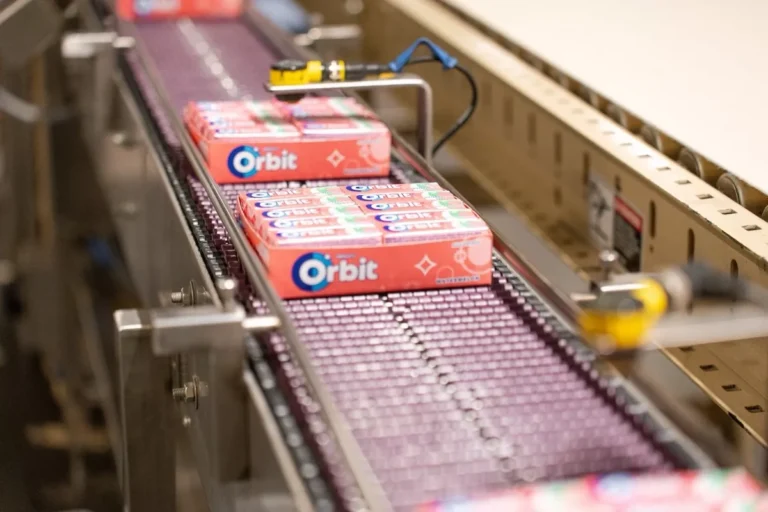
Poznań factory is supplying products to consumers in more than 40 countries across Europe, Africa and South America. Brands manufactured in Poland include Orbit and Airwaves.
In 2025, the factory produced 33 billion pieces of chewing gum, while production lines are capable of manufacturing up to five million pieces per hour, equivalent to more than 1,300 pieces every second.
The facility serves markets ranging from Poland and Central Europe to Germany, Romania, Nigeria and Ecuador. Romania has become the factory’s fourth-largest market overall and its third-largest export destination.
USD 120 million invested in five years
The company invested approximately USD 120 million in the factory over the past five years, funding new production and packaging lines, automation projects and digital manufacturing technologies.

Among its technological milestones, the Poznań facility became the first Mars factory to introduce Autonomous Guided Vehicles (AGVs) into production operations. Today, autonomous transport systems, industrial robots and collaborative robots support manufacturing around the clock.
Production runs almost continuously, operating 24 hours a day, six days a week, while the complete manufacturing and packaging process for chewing gum can take up to 24 hours.
More than 700 employees
The factory currently employs more than 700 associates, with around 50 employees having worked at the site since it opened in 1996. A dedicated team of 27 sensory analysis specialists evaluates products daily to ensure flavour consistency across the company’s chewing gum portfolio.
Sustainability first
The Poznań factory operates entirely on renewable electricity and has implemented a range of initiatives designed to reduce its environmental footprint, as heat generated during production is partially recovered and reused.
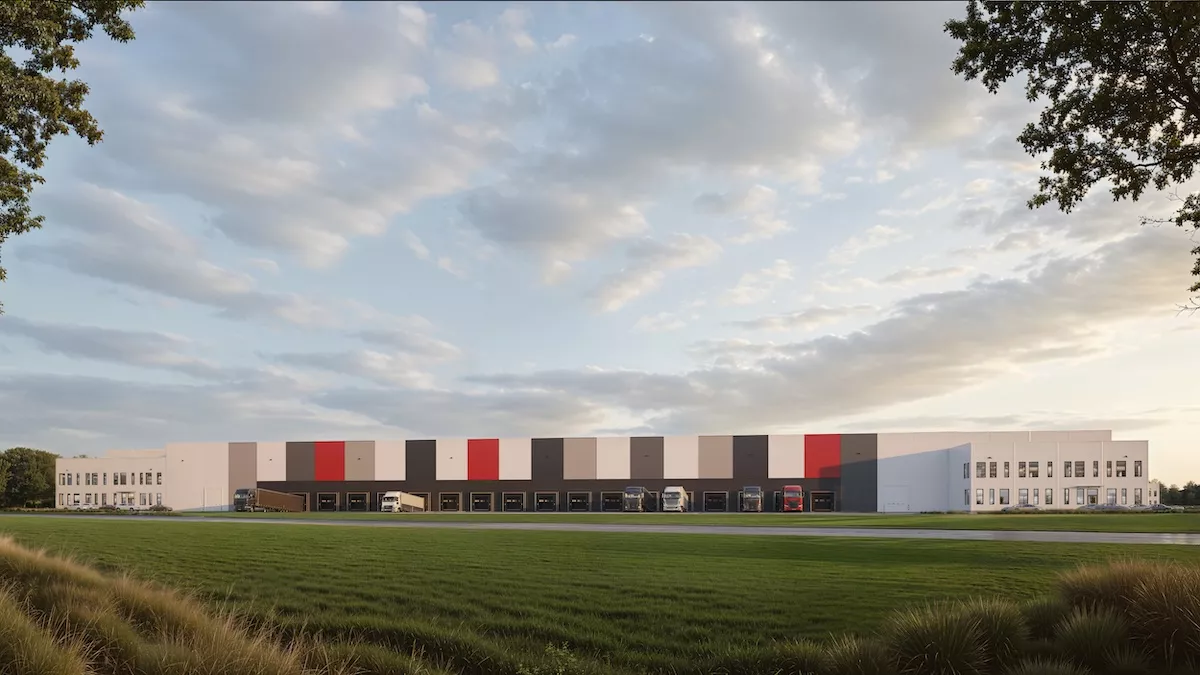
Mars plans to invest a further USD 26 million in the coming years. The programme includes the construction of a new autonomous warehouse, continued decarbonisation projects and upgrades to packaging lines to support fully recyclable packaging solutions.